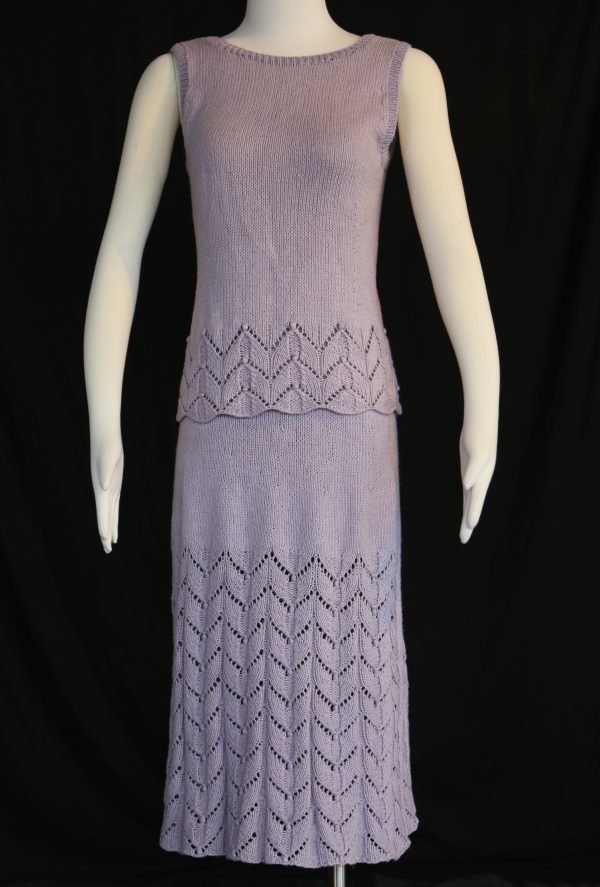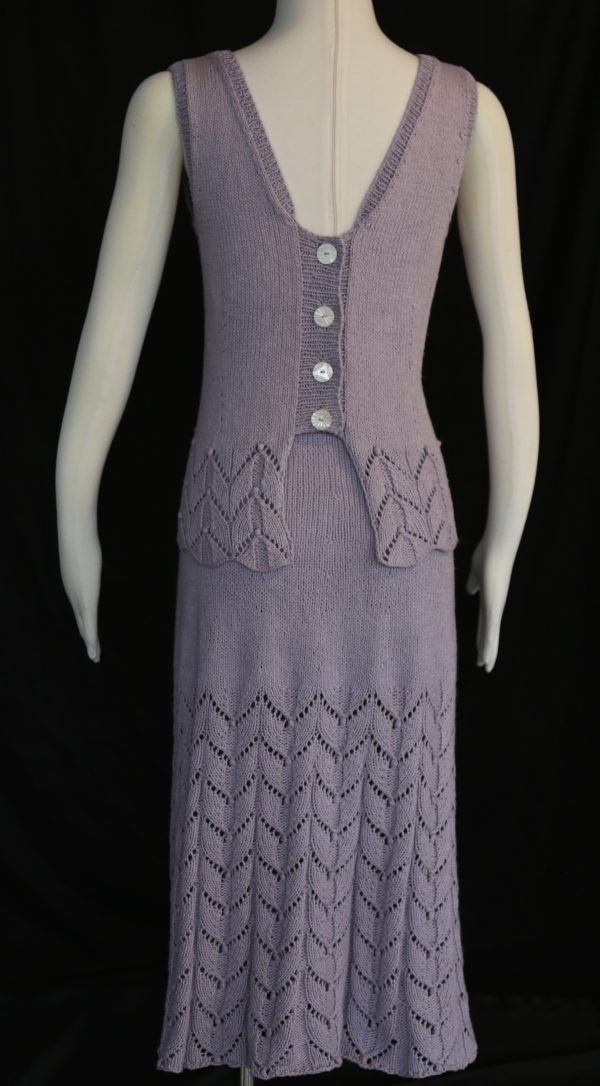
Swarm of Wasps Top by Arenda Holladay
The top is worked bottom-up in Classic Elite Hanako. The matching skirt pattern follows.

The top is worked bottom-up in Classic Elite Hanako. The matching skirt pattern follows.
The skirt is worked top down in Classic Elite Hanako.
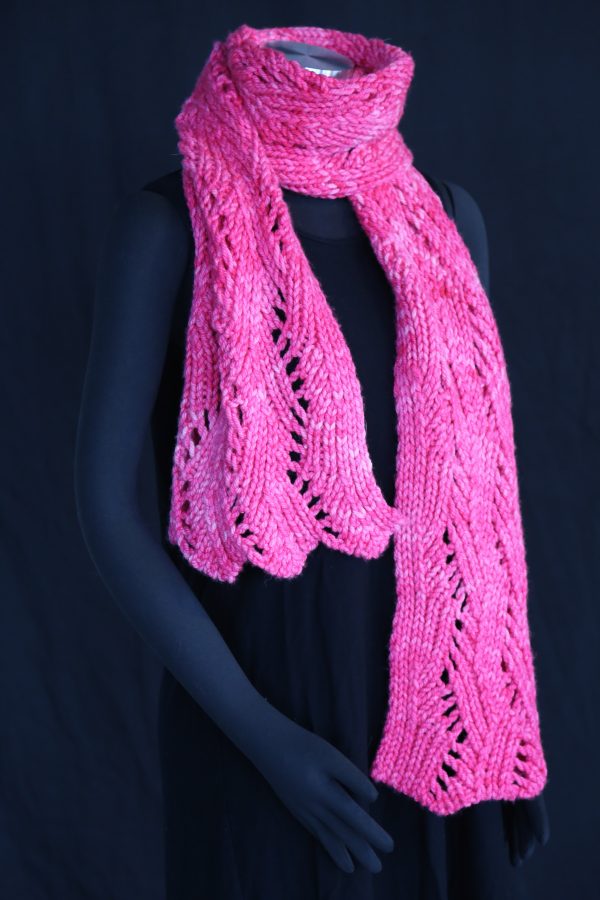
This scarf, worked in Anzula Burly, uses a new technique of reversible lace which is ideal for a scarf as there is no “right” or “wrong” side.
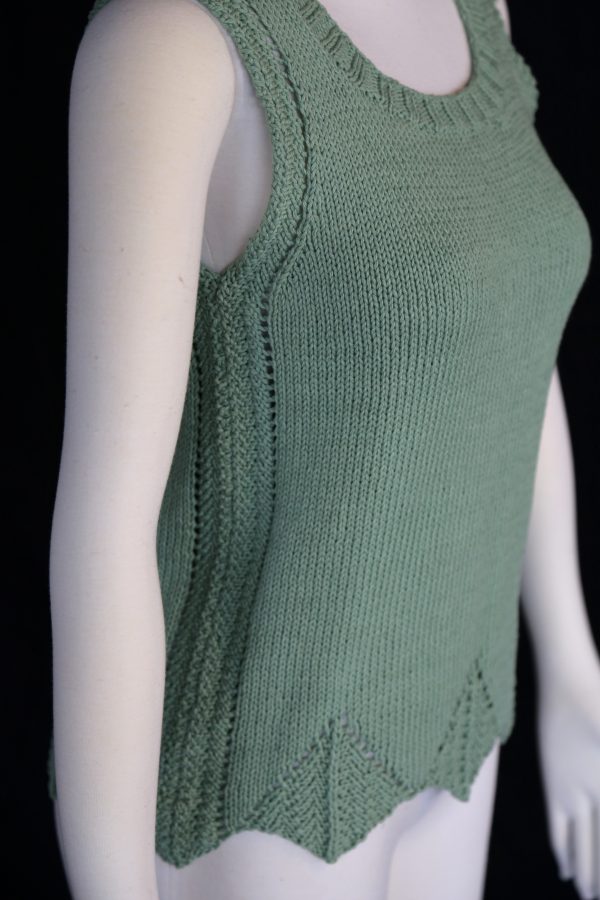
This elegant scoopneck pullover has several designer details, ensuring it will be fun to knit and flattering to wear. Due to the wide stitch repeat, each successive size is 24 stitches larger than the last. The yarn is Brown Sheep Yarns Cotton Fleece.
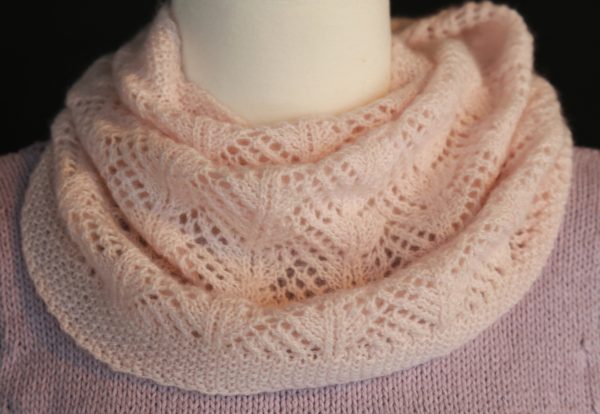
The Pattern from a Member for this issue is from Maris O’Connell. The Fan Lace Cowl is worked in Jade Sapphire Mongolian Cashmere 2-ply.
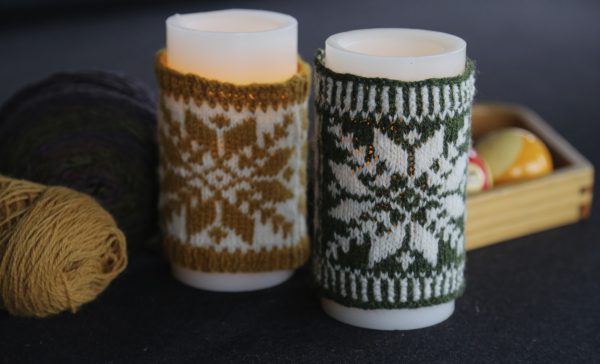
The topic of the Learn Something New article is “How to Work Bridged Steeks in Stranded Colorwork” by Leslie Gonzalez. It is followed by patterns for two stranded candle coats.
This is the pattern that accompanies the Learn Something New article. The pattern can be worked in either Scandinavian wool or Shetland wool.
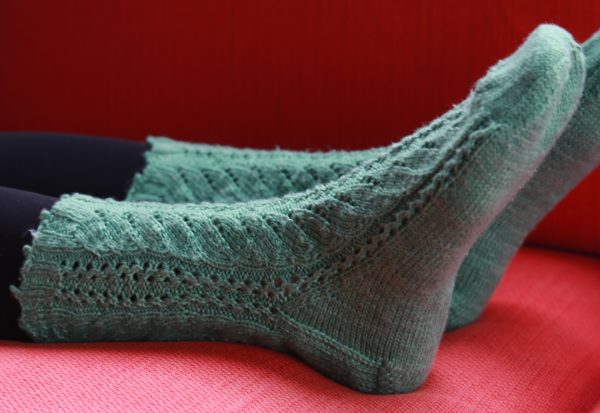
These lovely socks feature a picot edge and lace. They are worked in RedFish DyeWorks Silk Sock.
This is the second article in the series exploring treatment options for projects where selvedges are left open. Picot is French for “little point.” There are two selvedge techniques referred to as picot edges. One is open and uses a yarn over to form the little point that we will explore in the Fall issue. The other uses cast-on and bound-off stitches to create thicker nubs along the selvedge.
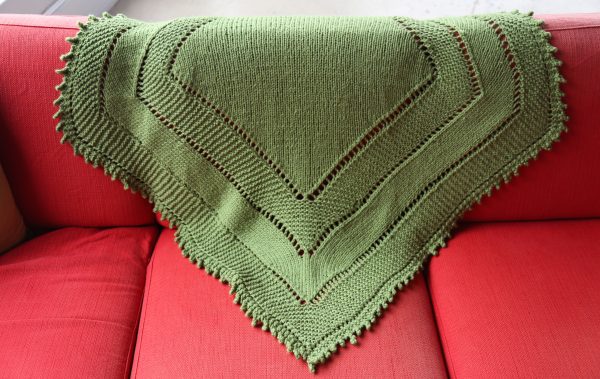
This is the second pattern in the series exploring Open Selvedge Treatments and accompanies the article on Picot Selvedges. The project is a baby-sized blanket worked on the bias in a diamond shape. It uses Cascade Yarns 128 Superwash.