Summer 2026
Crochet Cast Ons and the Crochet Bump Cast On
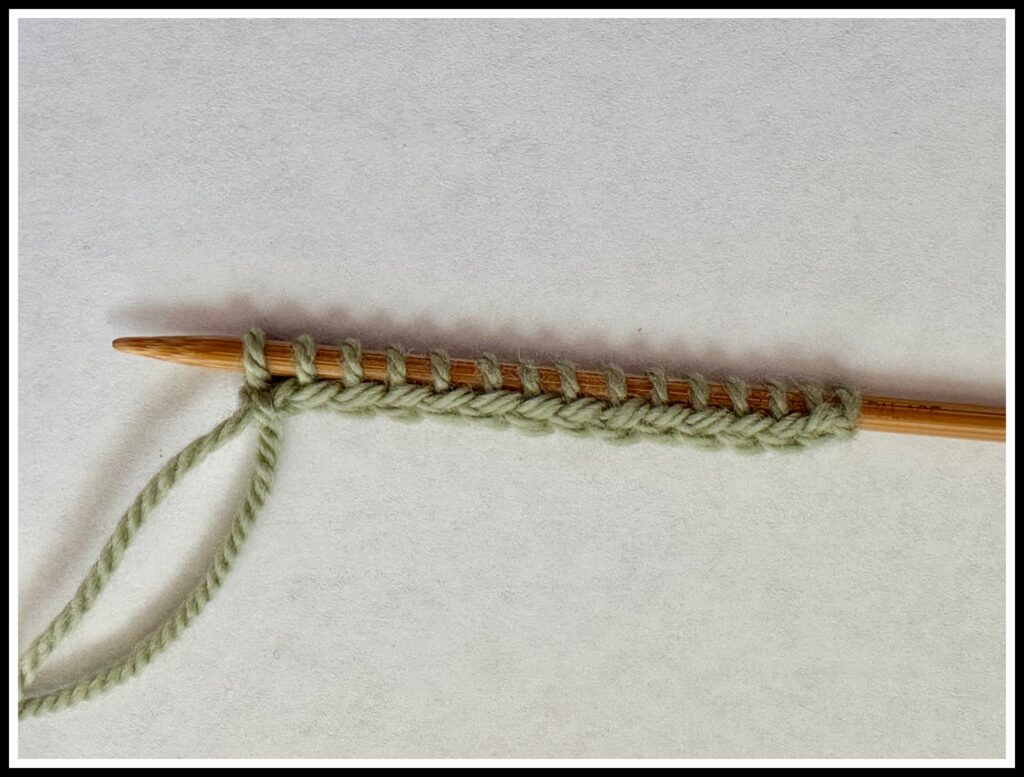
I start many of my knitting projects by crocheting a chain using the working yarn, and then, without cutting the yarn, picking up knit stitches out of the back bumps of the chain.
I assumed it would be easy to find a video of this cast on, but if I search for “crochet chain cast on” or “crochet cast on,” I find dozens of videos that show related-but-different techniques. Most of the crochet-related cast on videos I’ve found have been for provisional cast ons (cast ons that will be removed later), but there are some non-provisional crochet cast ons as well. Good examples of these videos are
Crochet Chain Provisional Cast On is a how-to video from Heather Storta that shows a cast on that picks up stitches out of a waste yarn crochet chain.
Crocheted Provisional Cast On is a video from TKGA that shows a cast on that uses a crochet hook and waste yarn to cast stitches onto a knitting needle.
Crochet Cast On for Knitting is a tutorial from Naztazia that shows another way to cast stitches onto a knitting needle with a crochet hook. In the video, this cast on is non-provisional.
Provisional vs. Non-Provisional
All of the cast ons above can be either provisional or non-provisional, with slight modifications. The provisional versions use waste yarn that is then cut, and they can have extra stitches in the chain. The non-provisional versions start off with the project yarn and must have the correct number of stitches in the chain. Consequently, the non-provisional versions need a bit more attention to detail.
Terminology
As you might notice, terminology can be a challenge with crochet cast ons. Because the names are so similar, they tend to be used interchangeably. To differentiate the crochet cast on I use, I’m calling it the crochet bump cast on.
The crochet bump cast on is essentially a hybrid of the crochet provisional cast on listed above and how crocheters use a hook to pick up stitches through the back bumps of a foundation chain. A good video for the crochet technique is Fiber Flux’s “How To Crochet into the Back Bump of a Chain“.
Advantages of the Crochet Bump Cast On
The crochet bump cast on is useful for edges that should not stretch out, as in placemats, coasters, and so on. Because it matches the appearance of the standard bind off quite closely, the crochet bump cast on works well for pieces that show both the cast-on and bind-off edges at the same time, for example, scarves and stoles.
Another advantage of the crochet bump cast on lies in its ease of execution. Because this cast on does not require juggling a crochet hook and a knitting needle at the same time, maintaining consistent tension can be easier.
Another benefit is that—unlike the long-tail cast on—it does not require the knitter to estimate how much tail yarn will be needed before beginning. Leaving just a tail for weaving in, the knitter starts with a slip knot on the crochet hook.
Suggestions
Here are a few suggestions for working this cast on:
Size the Bumps Consistently
As with knitting needles, it’s best to size each chain loop by making sure to snug it gently around the shaft of the crochet hook.
Find the Bumps (Level 3)
A crochet chain looks like a series of V’s on the front and a series of bumps on the back (see photos below). It can be a little challenging to see where the back bumps are, so use good light. If you are getting confused about which strand is which, examine the chain at several angles to distinguish between the Vs and the bumps. The bumps are always behind the V’s.
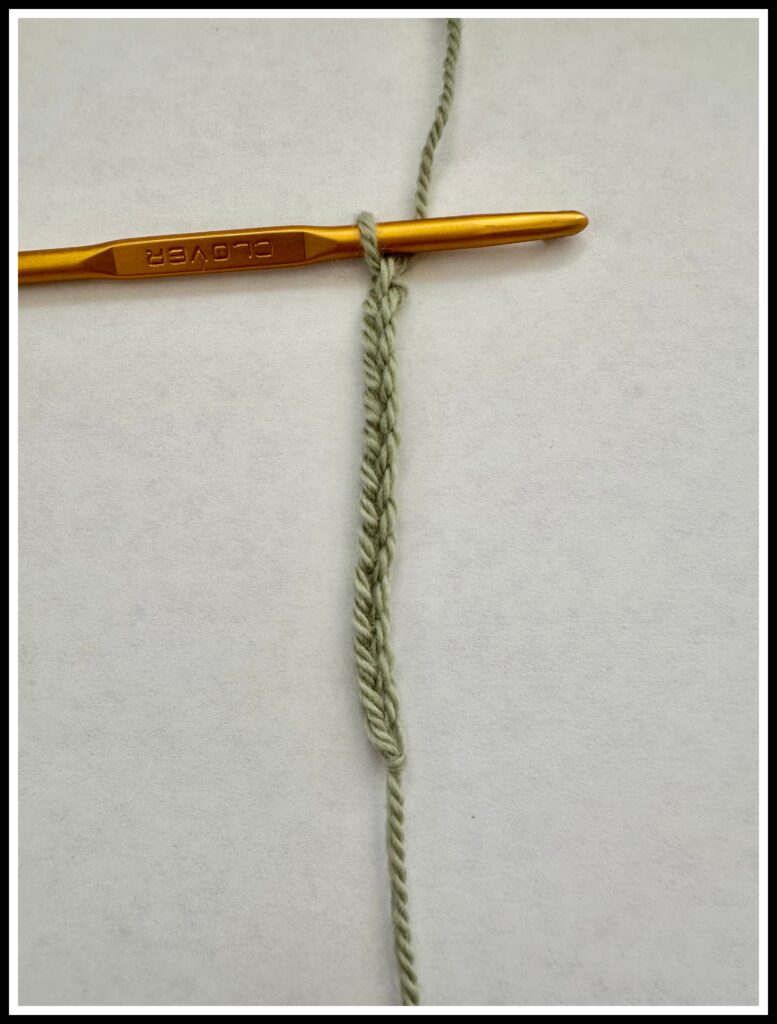
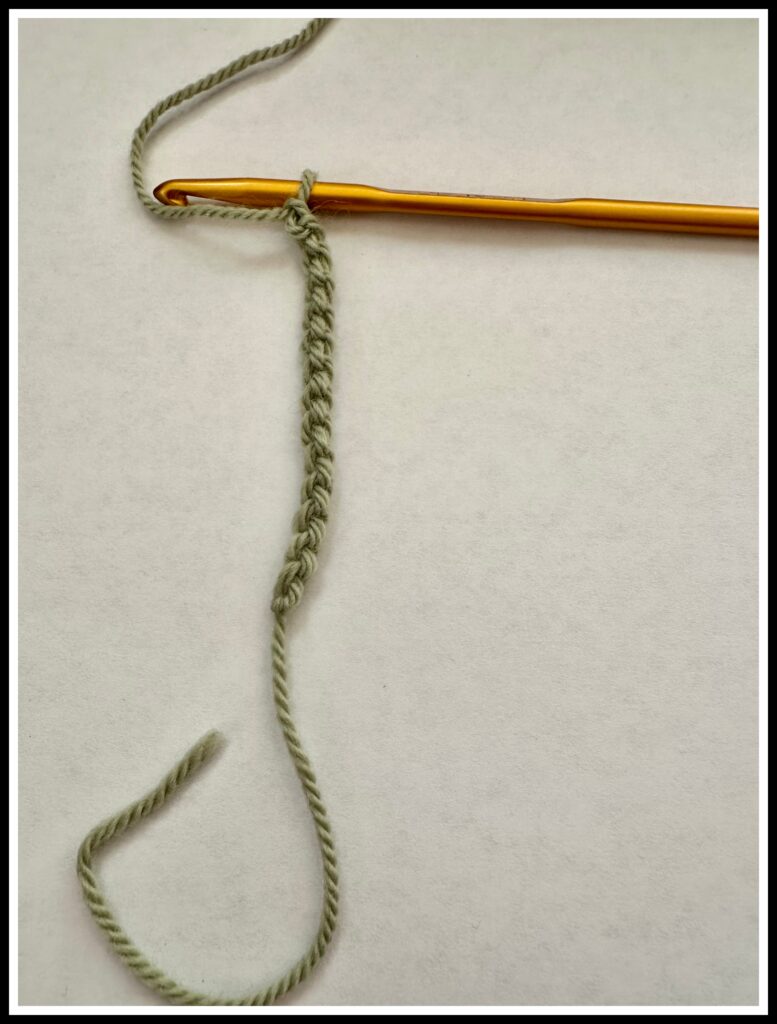
Count the Bumps
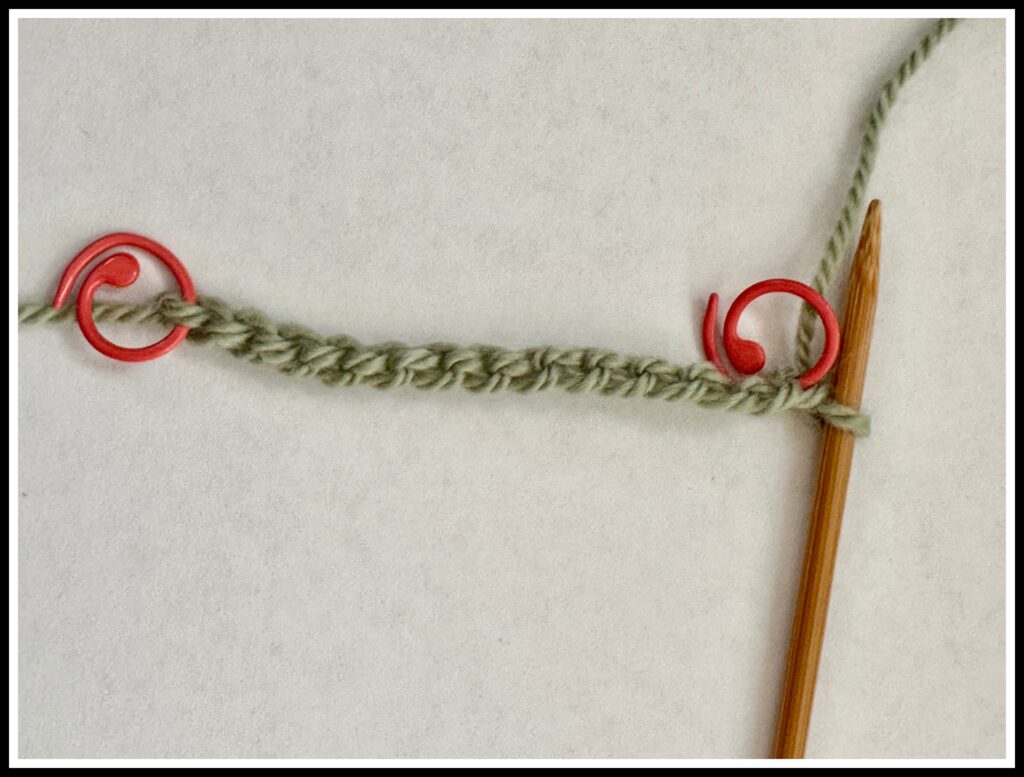
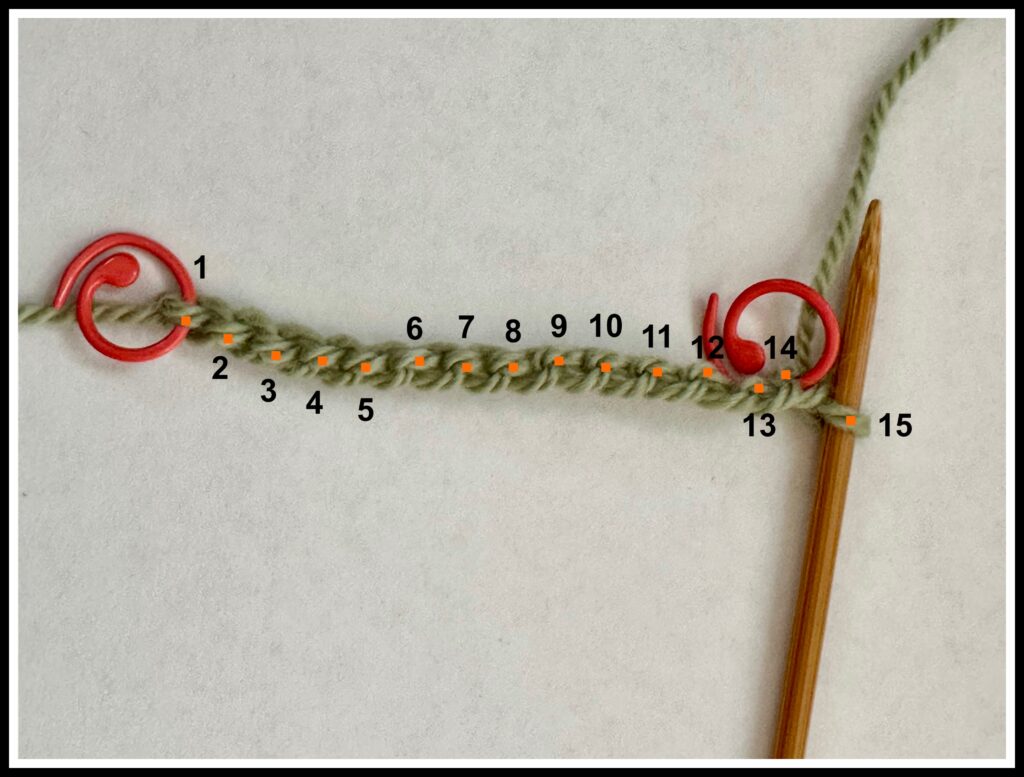
It’s a good idea to count the bumps to make sure you have the right number before working the cast on. The bumps closest to the ends can be a little tricky to see, especially when other stitches are pressing on them. Consider placing movable markers in them at the start to keep them open. When counting, be sure to keep in mind that the last loop on the hook is the first stitch of the cast on. The chain shown in the two photos below will yield 15 cast-on stitches: 14 bumps plus the loop on the needle. The red markers make it easier to see the first and last stitches when you are working the cast on.
Choose the Correct Hook Size
The goal is for the stitch size of the cast on to match that of the bind off. Swatching is essential here, and if you use a larger needle to bind off, be sure to bind off your swatch with it. For me, the crochet hook that yields the same size stitches as the standard bind off is two to three millimeters larger than the project knitting needle.
Directions for Working the Crochet Bump Cast On
To work the crochet bump cast on follow these steps:
Step 1
With the project yarn, crochet the same number of chain stitches as the desired number of cast-on stitches—counting the loop on the hook.* (Heather Storta’s video linked above includes directions for making a crochet chain.)
Step 2
Transfer the loop on the hook to the project needle—this loop counts as the first cast-on stitch. Do not cut the yarn.
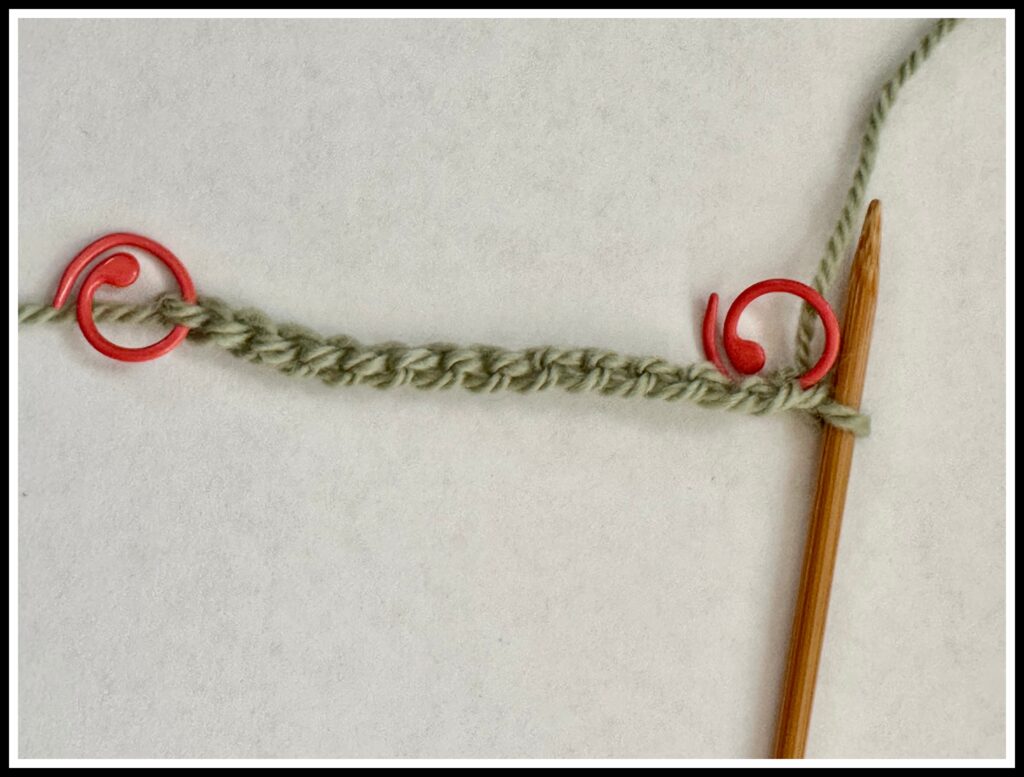
Step 3
With the needle in the right hand and the chain in the left hand, insert the needle tip front to back through the bump closest to the needle.
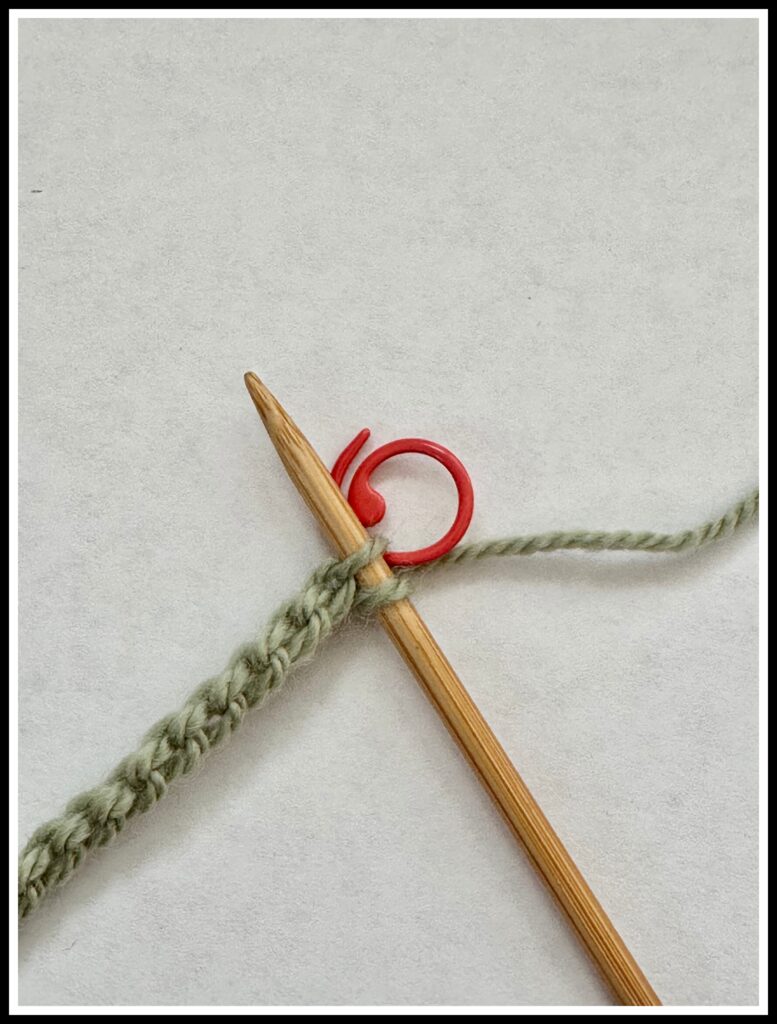
Step 4
Wrap the yarn around the needle as for picking up and knitting stitches along a knitted edge.
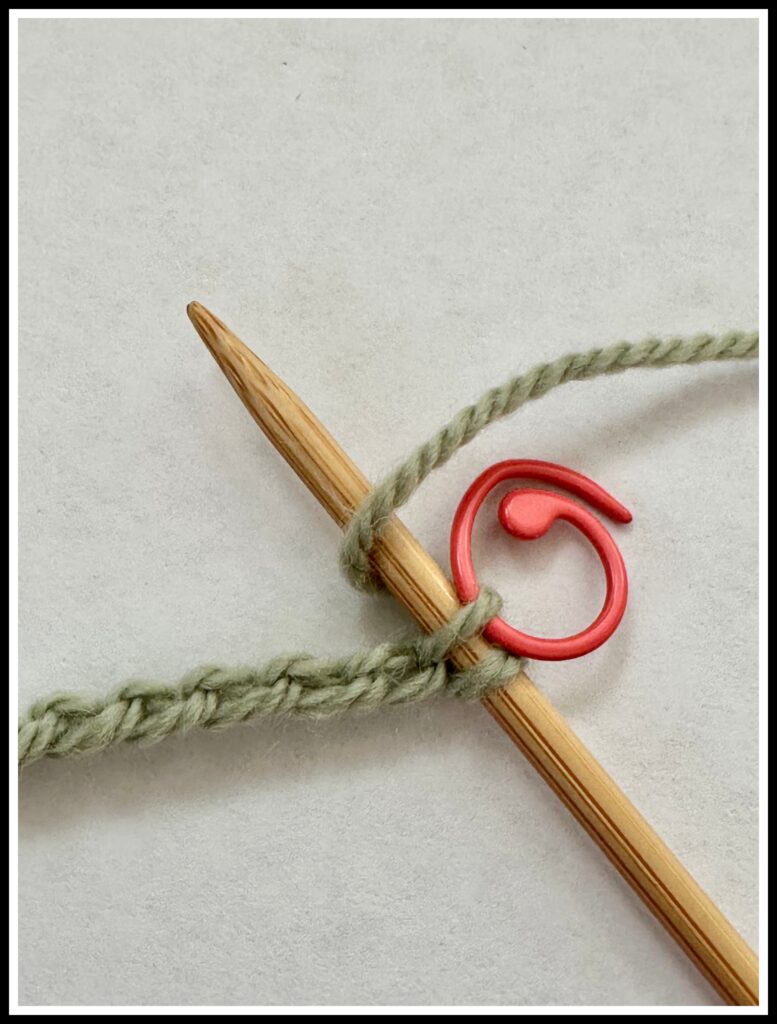
Step 5
With the tip of the needle, draw a loop through to the front—cast-on stitch completed.
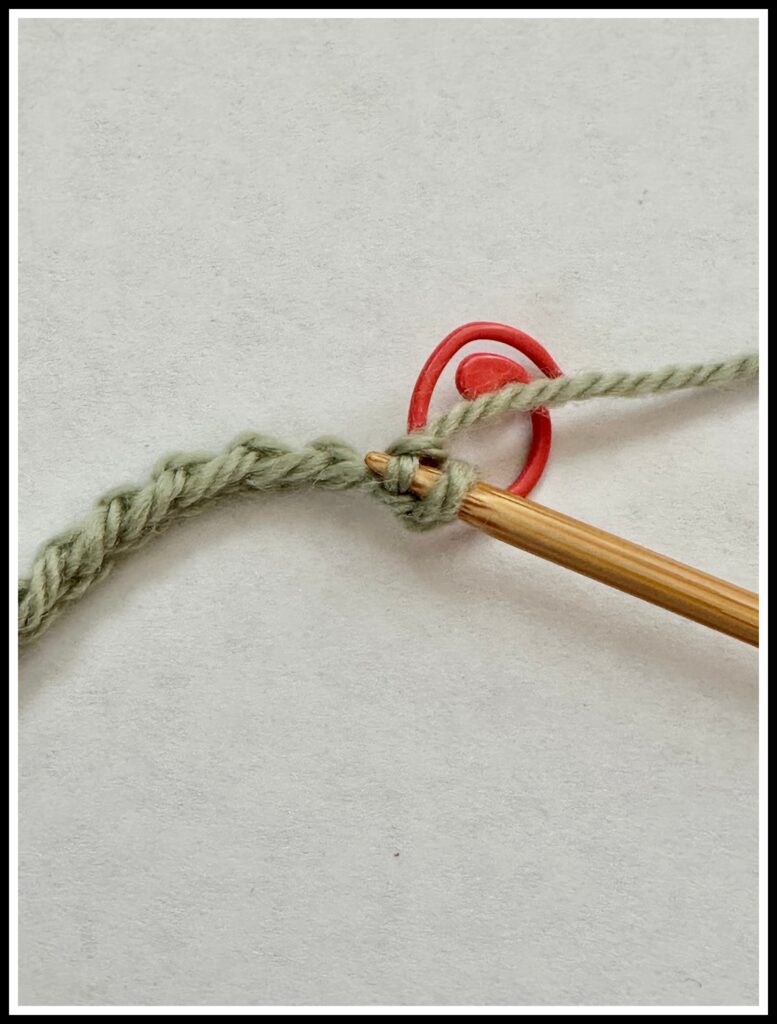
Repeat Steps 3 through 5 along the chain until all of the back bumps are picked up.
Needle Tip
Use the crochet bump cast on when you want an attractive cast on that matches a standard bind off.
*The crochet standard is to not count the chain on the hook, but for the crochet bump directions, it seems silly to say, “Don’t count it as a crochet stitch, but do count it as a knit stitch.”
Copyright 2026, The Knitting Guild Association, Cast On Summer 2026, All Rights Reserved